Style

Contemporary

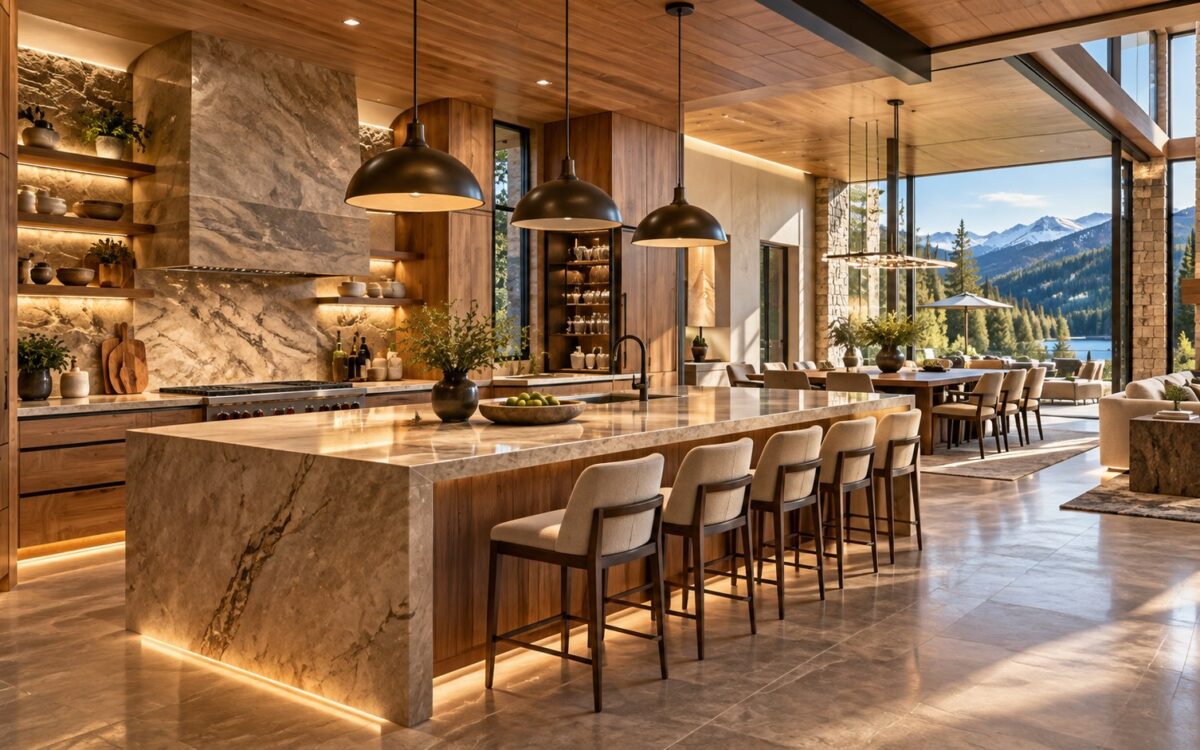
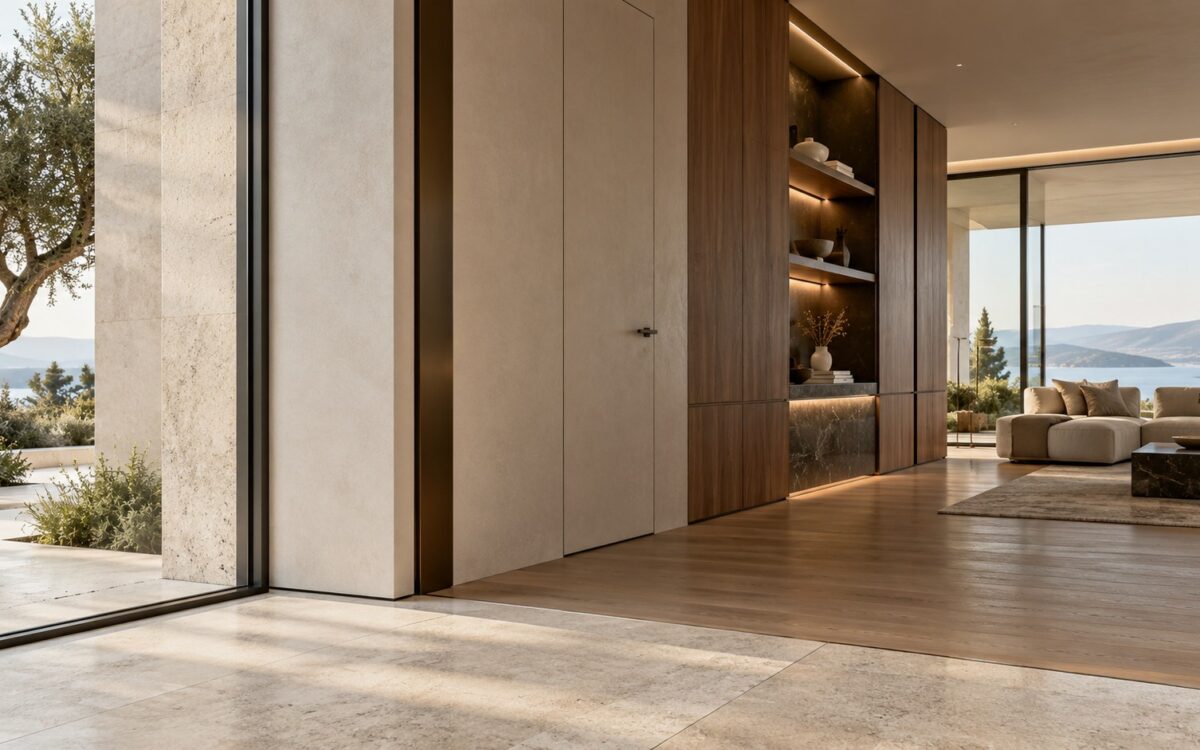
Luxury contemporary residential interior with warm timber wall and ceiling surfaces, precise panel joints, integrated cabinetry, natural stone, and soft daylight.
Journal Article

The Architecture of Timber: Grain, Scale, Aging, and Continuity

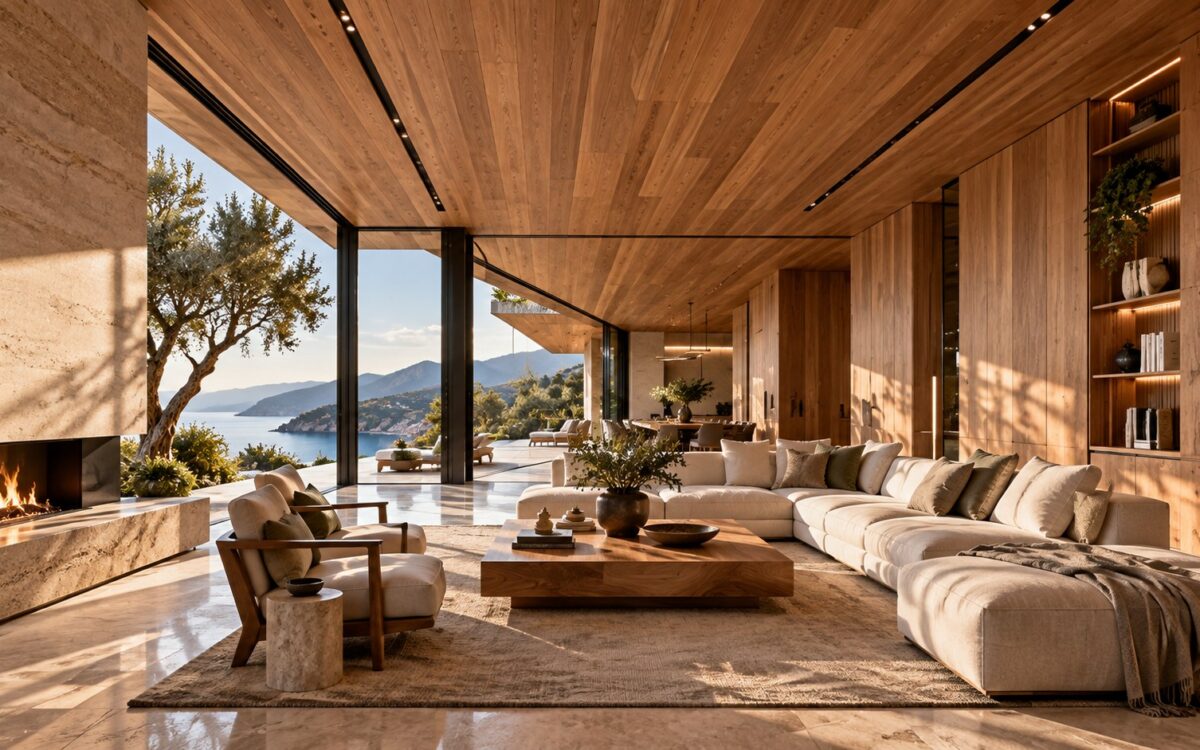
Timber can do far more than make a luxury interior feel warm. Used as an architectural system, it can establish proportion, guide the eye, shape acoustic and tactile experience, connect ceilings to walls and cabinetry, and develop a richer identity as it ages. This essay examines how grain, scale, joints, finish, and continuity turn wood into disciplined residential architecture.
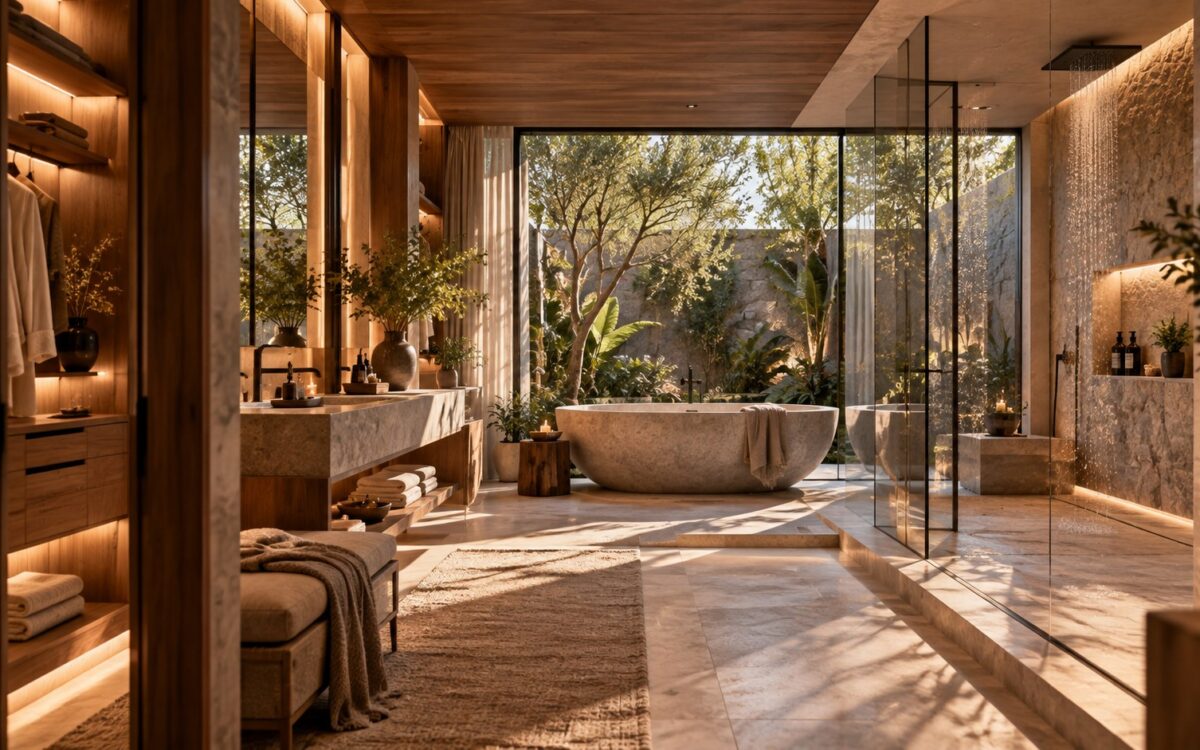

AI-generated contemporary luxury bathroom with a freestanding stone bath, warm timber cabinetry, a softly screened garden view, layered natural and concealed lighting, and distinct wet and dry zones.
Journal Article

The Architecture of the Bath: Privacy, Ritual, Light, and Material

A luxury bath is more than a collection of fixtures: it is a carefully sequenced room where privacy, water, light, material, storage, and movement work together. This essay explores the architectural decisions that make bathing spaces calm, practical, intimate, and deeply connected to the wider residential experience.

AI-generated contemporary luxury residence with operable timber screens, large opening windows, shaded terraces, and layered glazing responding to changing light, privacy, and landscape conditions.
Journal Article

Operable Architecture: Windows, Screens, and the Ritual of Environmental Control

Luxury homes can use movement in the envelope to fine-tune air, daylight, privacy, and landscape connection without visual clutter. This essay explores operable windows, screens, shutters, and louvers as architectural layers, showing how their placement, depth, materials, controls, thresholds, and maintenance shape both the appearance and everyday experience of a residence.

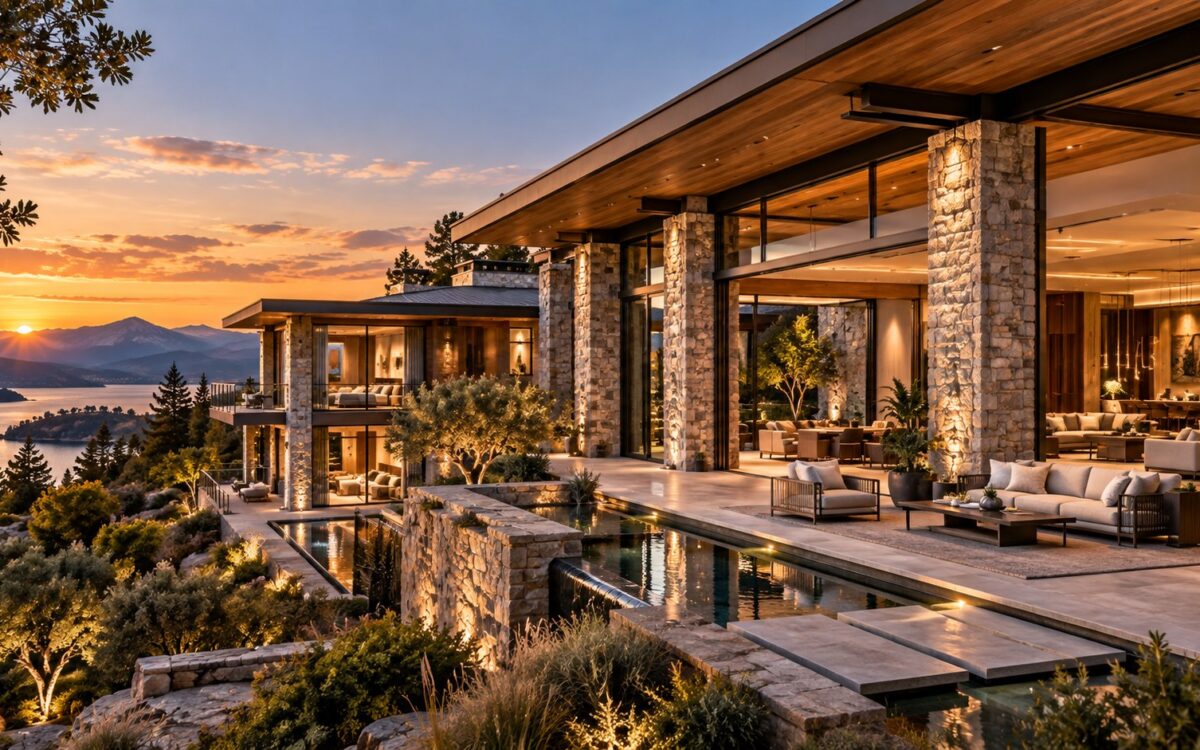
AI-generated contemporary luxury residence viewed obliquely across a landscaped terrace, with a clear structural rhythm of stone piers and slender dark framing supporting broad roof planes, deep openings, and connected indoor and outdoor spaces.
Journal Article

The Residential Structural Grid: Spans, Bays, and the Shape of Luxury

A luxury residence gains much of its calm from an underlying structural order. This essay explores how grids, bays, spans, columns, walls, ceilings, glazing, circulation, furniture, light, and terraces interact, and why choosing between compact, generous, and hybrid structural conditions is ultimately an architectural decision rather than a pursuit of maximum span.

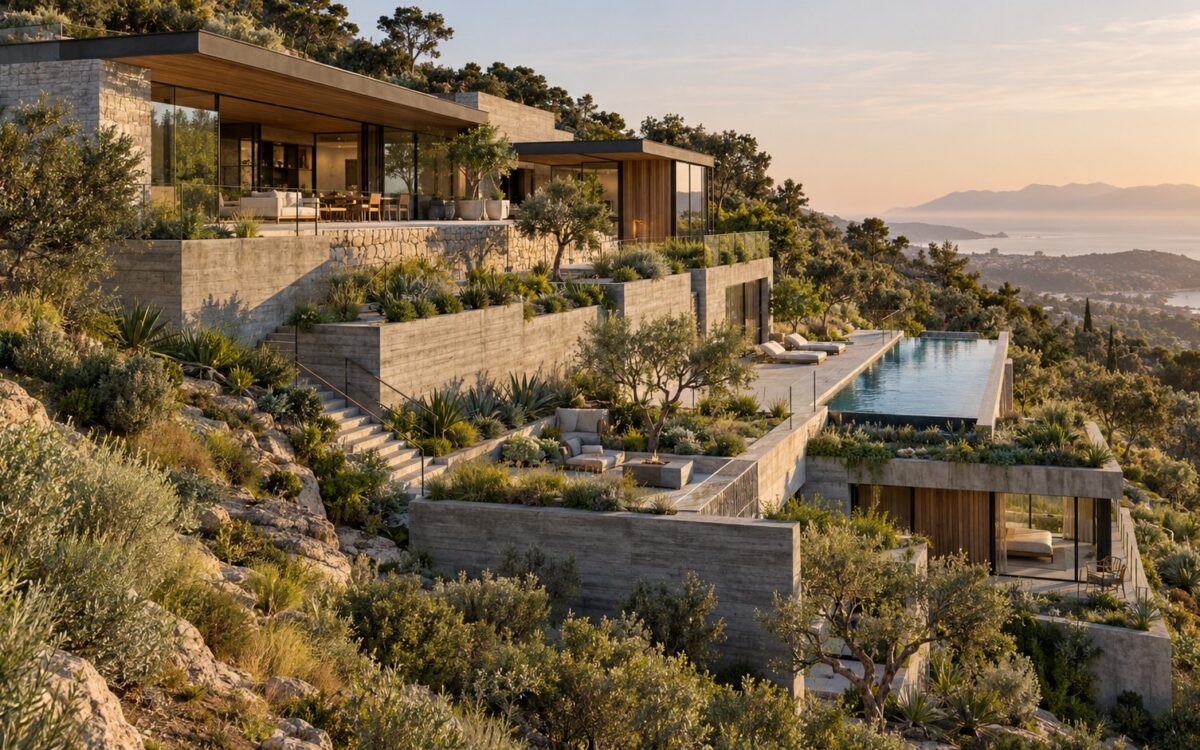
Contemporary hillside residence stepping through planted terraces and stone retaining walls above a broad landscape view.
Journal Article

Building Into the Slope: Terraces, Retaining Walls, and Topographic Continuity

Sloped sites become most compelling when architecture follows the land instead of erasing it. This essay examines how sectional planning, terraces, retaining walls, drainage, circulation, planting, foundations, and pool placement can transform grade change into spatial richness while preserving access, comfort, durability, and a convincing relationship between house and terrain.

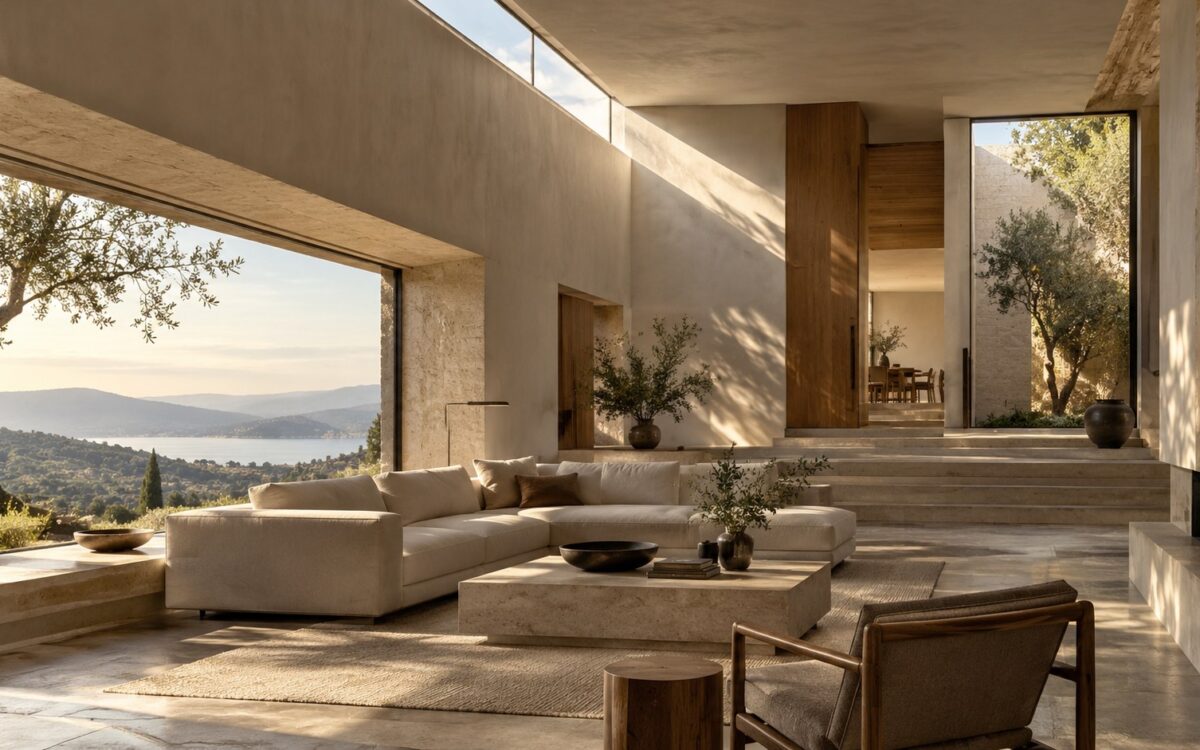
Luxury interior shaped by clerestory light, deep window reveals, reflected daylight, and layered architectural shadow
Journal Article

Daylight as Material: Aperture, Orientation, and Contrast in Luxury Interiors

Daylight is not simply illumination delivered through glass. In carefully composed interiors, it behaves like a material: revealing depth, establishing hierarchy, changing surfaces through the day, and directing attention. This essay examines how aperture, orientation, reflection, contrast, and spatial planning can turn natural light into an architectural system rather than a decorative effect.

Refined contemporary interior showing precise transitions among limestone, timber, plaster, glass, and dark metal with controlled shadow gaps and flush detailing.
Journal Article

The Architecture of the Joint: Reveals, Shadow Gaps, and Material Transitions

Refined interiors are often judged at the places where materials stop, turn, overlap, or meet. This essay examines reveals, shadow gaps, thresholds, panel joints, flush conditions, glazing edges, and other junctions as instruments of visual order, construction tolerance, durability, and craftsmanship rather than as minor finishing details.

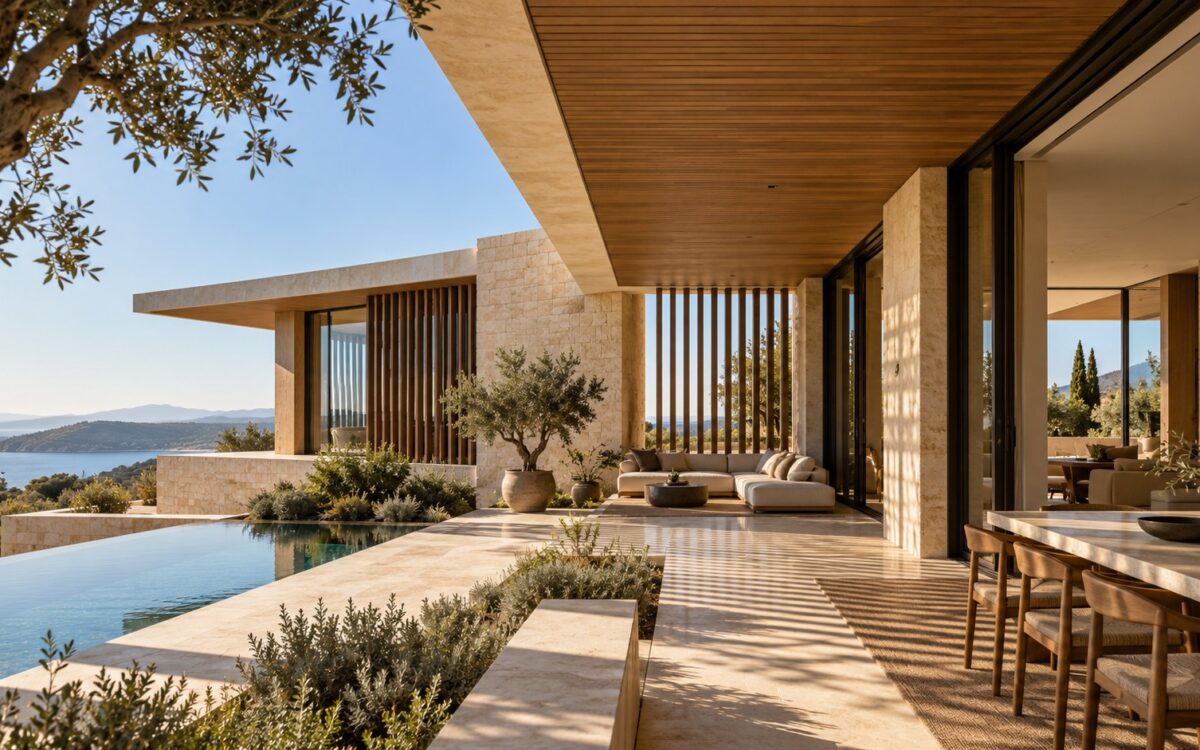
Contemporary luxury residence with deep overhangs, recessed glazing, exterior screens, and shaded terraces controlling strong afternoon sun.
Journal Article

The Architecture of Shade: Deep Overhangs, Screens, and Solar Control

Architectural shade is more than protection from sun. Deep overhangs, recessed glazing, screens, pergolas, loggias, and courtyards can shape comfort, daylight, privacy, and facade depth while giving a residence a stronger relationship to climate. The challenge is sizing and placing each device for orientation, season, room use, and maintenance rather than applying shade as a universal visual motif.